Abigail Castaneda
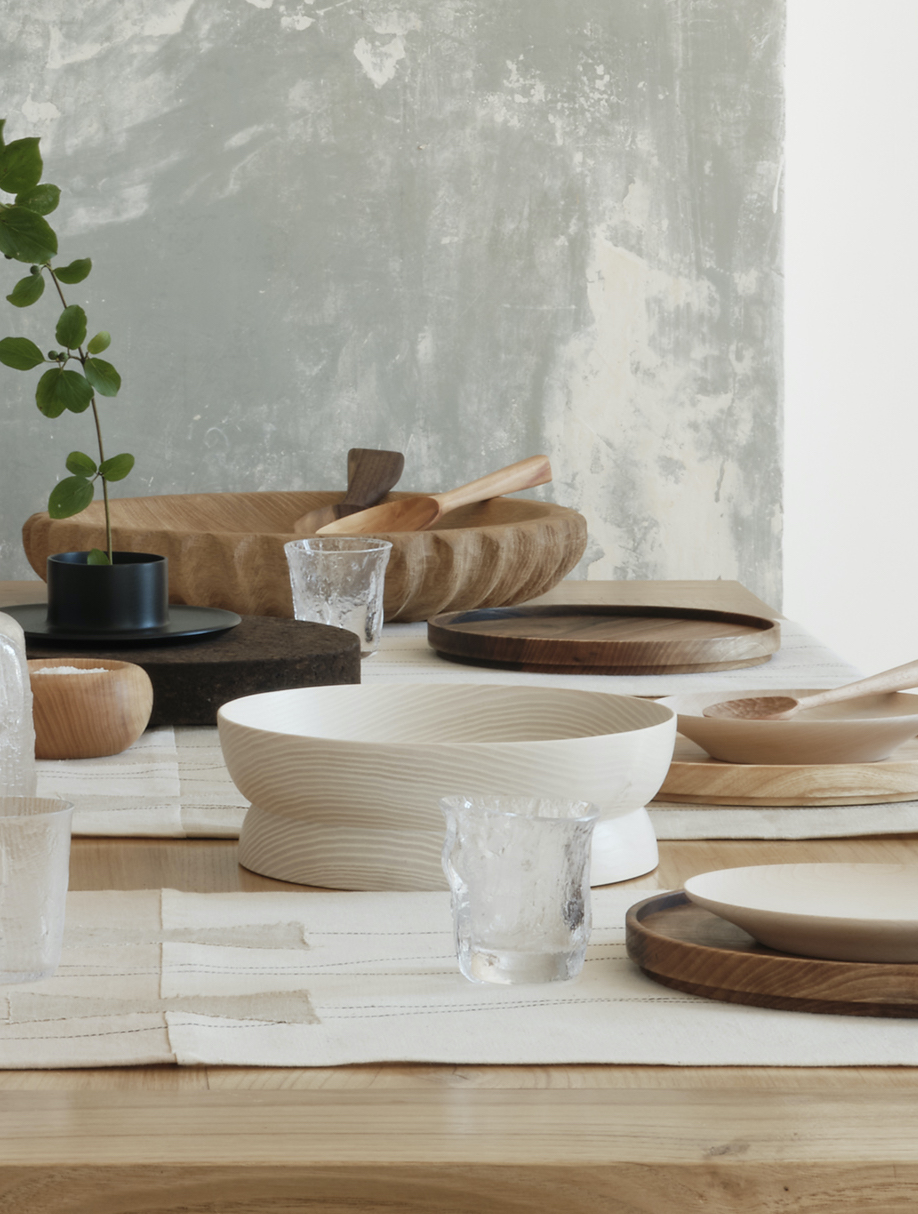
Abigail works with wood from her workshop near New York. Her sculptural pieces seduce us with their finesse and finishes. As part of the On The Table selection, we invite her to answer a few questions.
Hello Abigail, how did you get into woodworking?
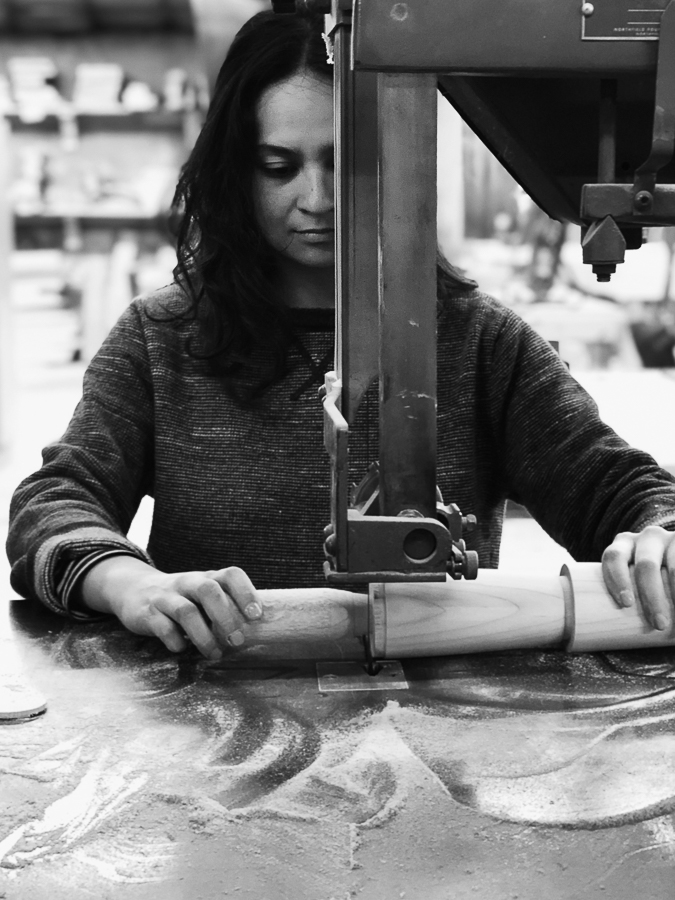
The ubiquity of wood has always interested me. I became curious about how we humans transform it into everyday objects and art. I started working at a furniture company as a means of learning the craft and making a living. The structure of working in a production-based shop, designing and recreating the same pieces allowed me to develop a practice of relating with wood through my body and the tools that shape my creations.
Why did you want to create your own studio?
The material presented itself as a way of exploring my relationship to nature, tradition, and the larger world around me. My creative practice became a part of my personal journey, and I wanted to give myself a little space to nurture it.
How do you choose the wood you work with?
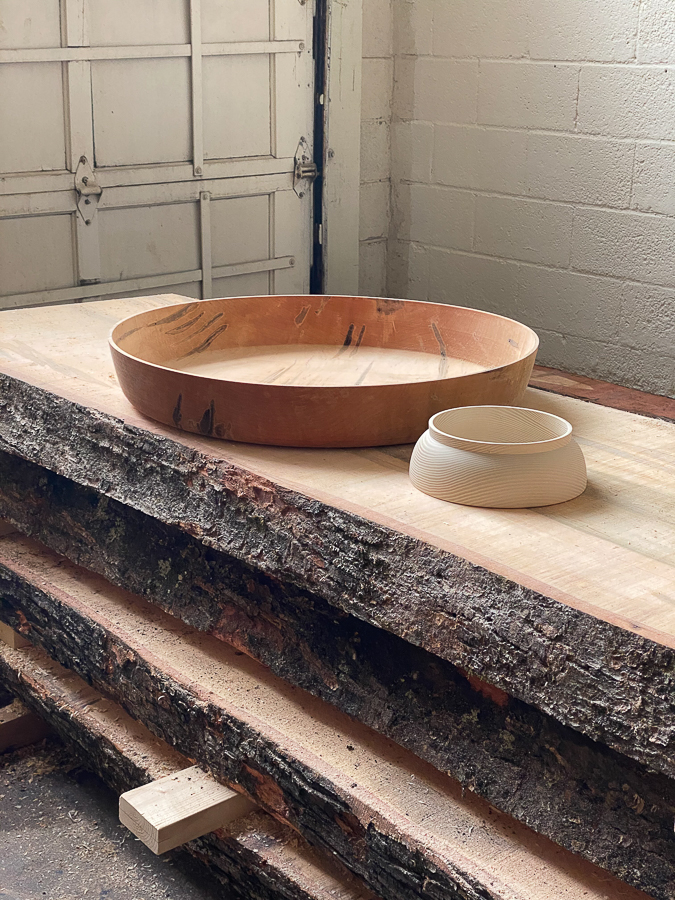
I work with whole logs sourced from local arborists. Most of the trees come from residential land. I butcher them in my studio using a chainsaw and pay close attention to grain structure and moisture content. I use areas traditionally undesired in furniture making to achieve a more organic shape. Using green wood means the wood will sometimes warp and transform as it dries. When trying to achieve a concentric shape I look for straight grain and avoid the tree's pith.
You work with different types of finishes such as bleached wood or graphite. Can you tell us about it?
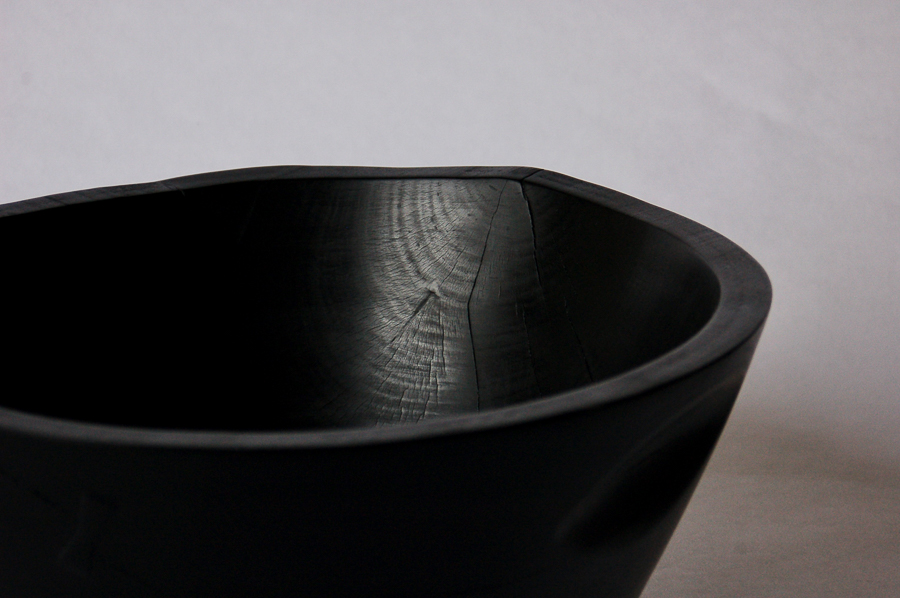
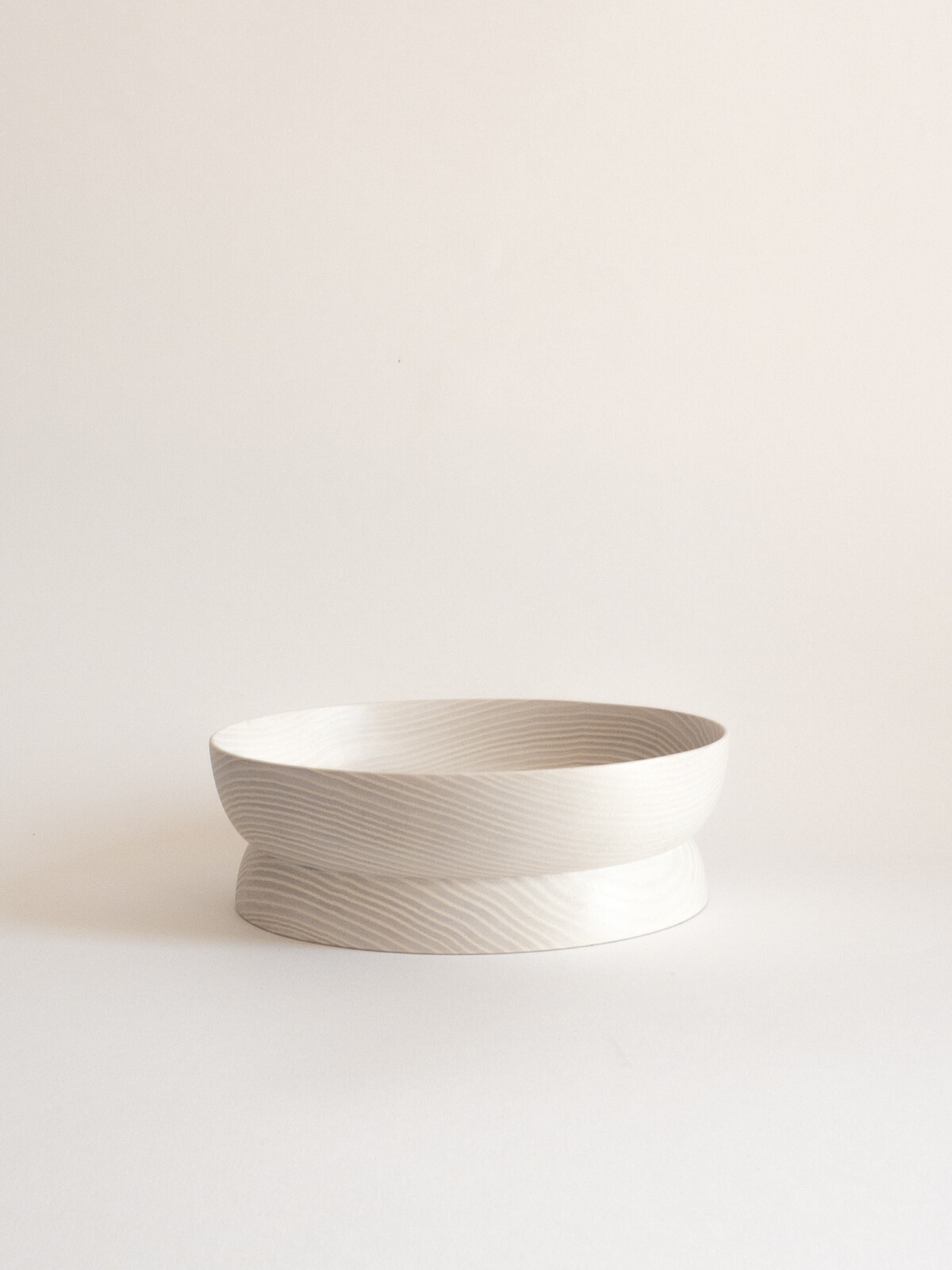
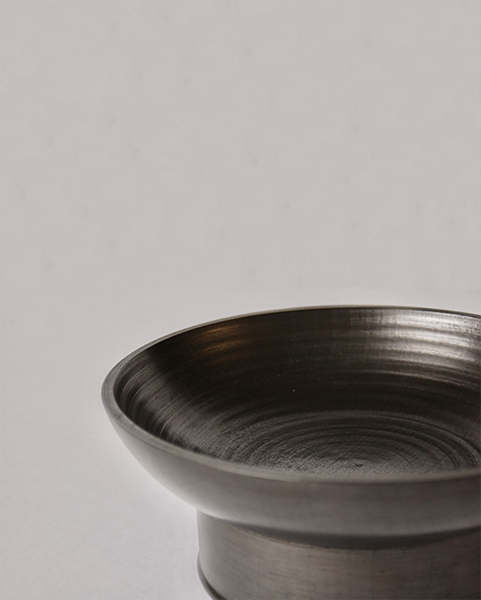
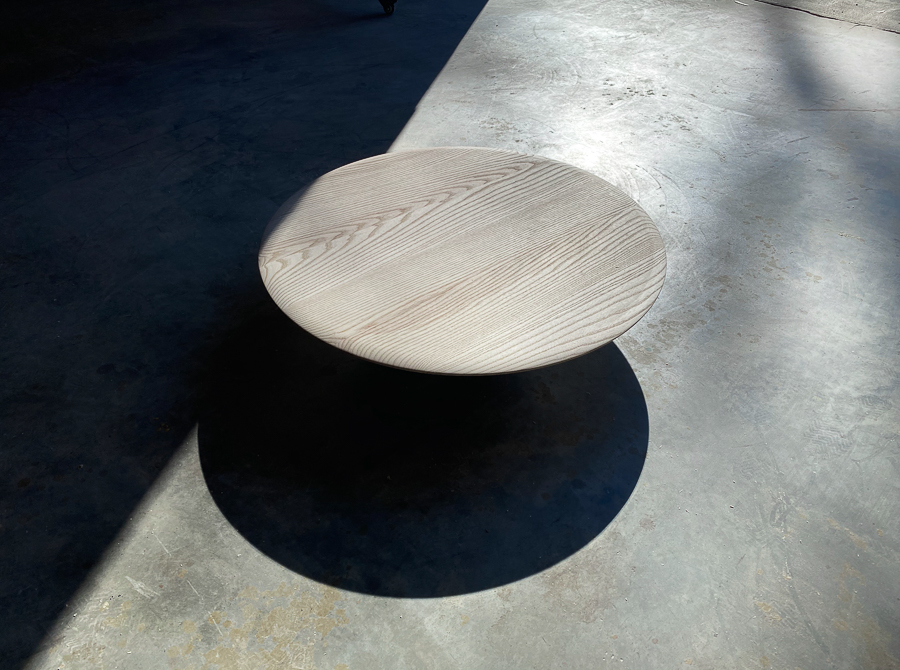
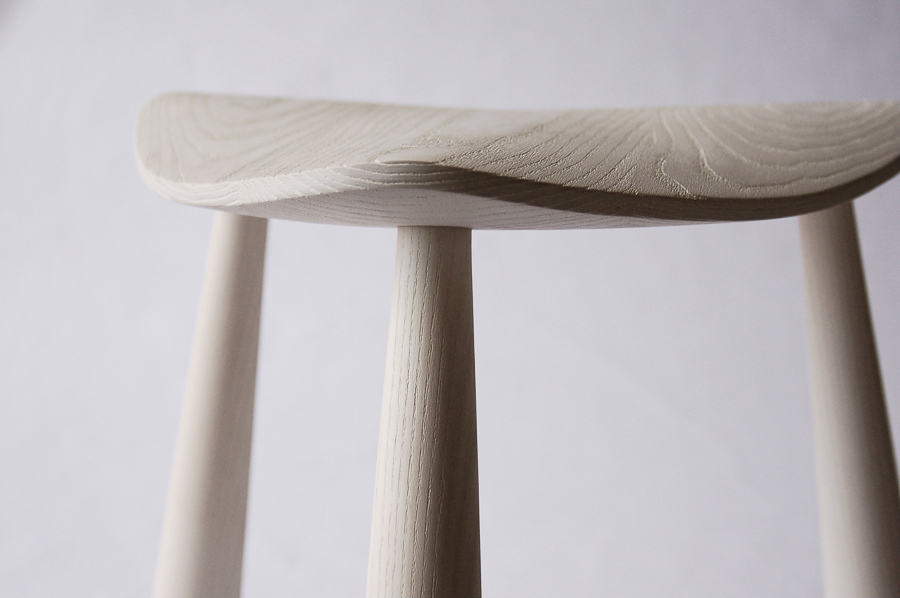
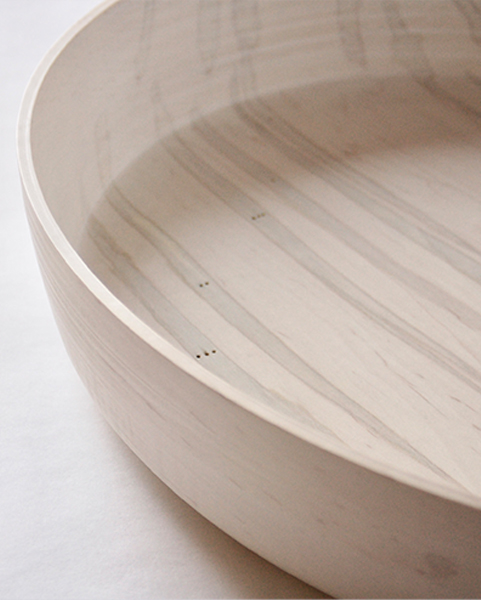
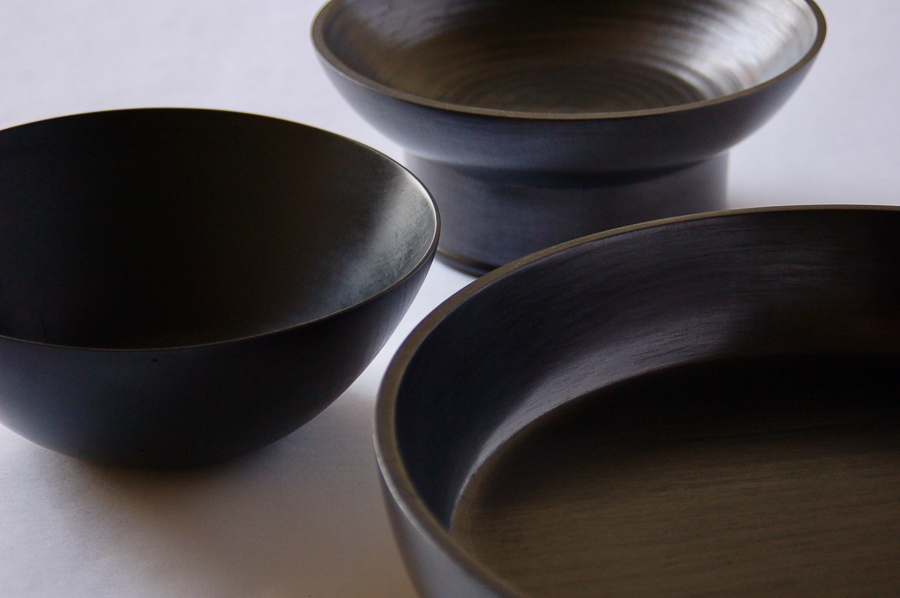
Finishing a piece is just as important to me as its construction and initial conception. I limit myself to simple minerals and compounds. The minerals react with tannin to create a wide variety of shades and neutrals. For bleaching wood, I use hydrogen peroxide. I have recently been experimenting with rubbing graphite onto the surface of the wood using different implements and sometimes wax.
You are based near New York, does this creative city influence your work?
I live north of the city in a quiet area of the Catskill Mountains. I was born on a small island in the Philippines called Cebu. My family immigrated to the US when my brother and I were children. We lived in the city for some time, but we eventually settled in the Hudson Valley. The commercialization of New York City has relocated many people to the Hudson Valley area. I think that creative energy abounds here as well.
Can you present the different pieces of the OROS selection “On The Table” ?
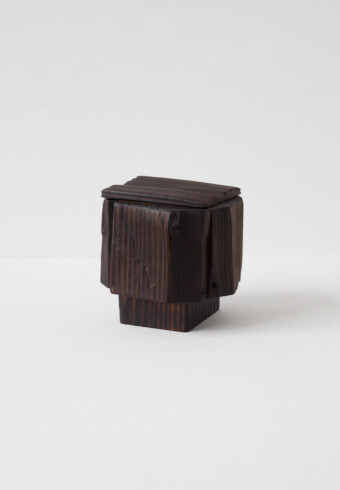
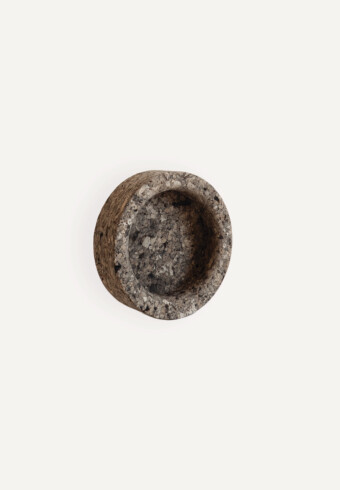
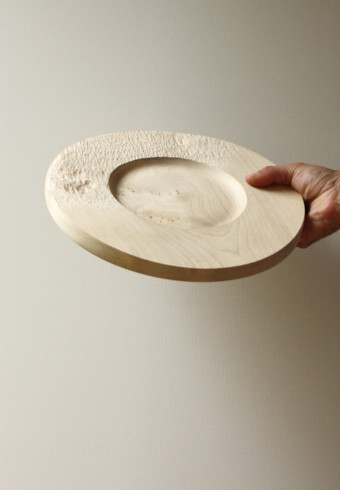
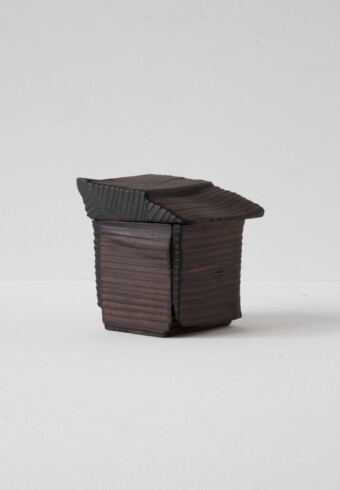
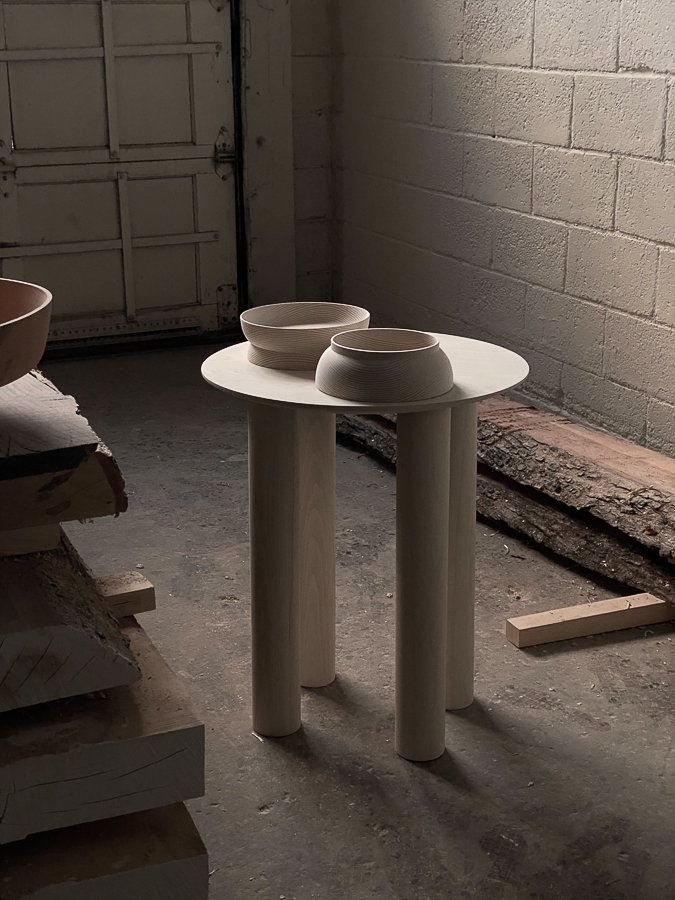
The bowls and vessels selected for OROS are a sculptural approach to creating functional objects which are durable enough for everyday use.
- Location: New-York, USA
- Website: https://www.abigailcastaneda.com
Share